Standing Seam Metal Siding vs. Traditional Siding in Northern Utah
Northern Utah is hard on exterior materials. Between freeze-thaw cycles, canyon wind, heavy snow years, high summer sun, and dust from job sites and fields, siding has to do more than look good on installation day. It needs to protect the structure, keep its shape, resist moisture problems, and still look clean years later. That is why more homeowners, builders, and commercial property owners around Ogden, Weber County, Davis County, and the surrounding area are comparing standing seam metal siding against traditional siding products like vinyl, fiber cement, engineered wood, and stucco.
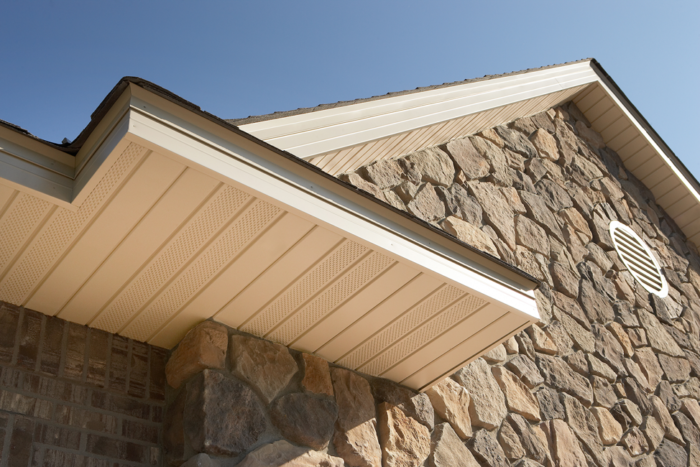
Omega Metals fabricates and supplies metal roofing, siding, soffit, fascia, gutters, and custom metal details from Ogden, Utah. If you are deciding whether metal siding is worth it for a home, shop, multifamily project, office, or agricultural building, the right answer depends on the look you want, the exposure of the building, the maintenance you are willing to accept, and the long-term value you expect from the exterior.
What Is Standing Seam Metal Siding?
Standing seam metal siding uses long metal panels with raised vertical seams. Those seams create a clean architectural line while helping conceal fasteners and panel joints. The same visual language has become popular on modern metal roofing, but the siding application gives walls a sharp, durable, low-maintenance finish.
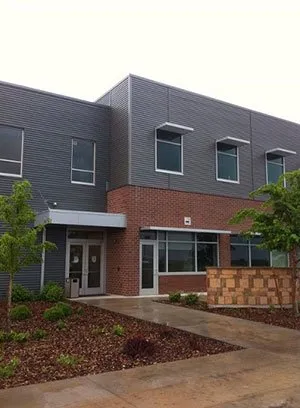
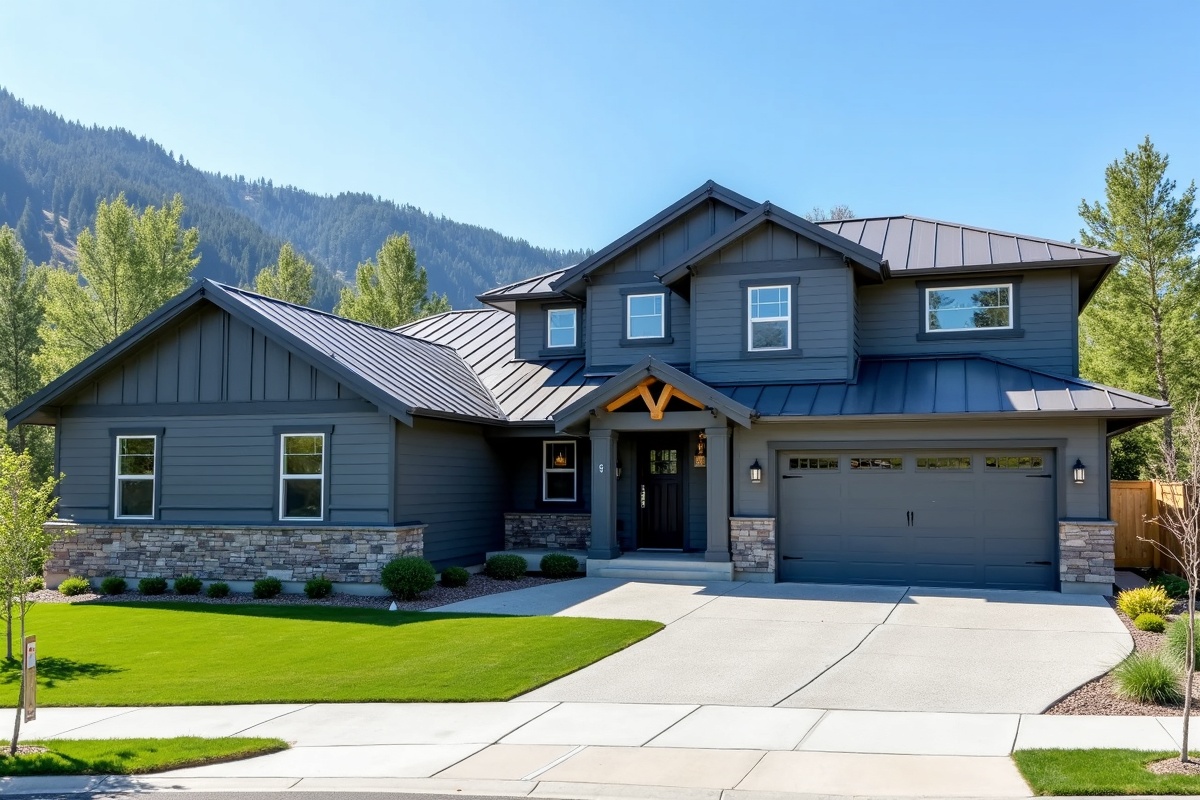
On residential projects, standing seam siding is often used as an accent around entries, garage faces, upper wall sections, dormers, and modern additions. On commercial and industrial buildings, it can be used across larger wall elevations for a professional, weather-resistant exterior. Because panels can be fabricated for the project, standing seam metal siding gives builders more control over profile, finish, color, and fit than many off-the-shelf siding products.
Traditional Siding: Where It Still Makes Sense
Traditional siding is not one material. Vinyl, fiber cement, engineered wood, cedar, stucco, and other exterior systems all perform differently. Many traditional products are familiar, widely available, and cost-effective. For a simple budget-focused project with moderate exposure, traditional siding can still be a reasonable option.
Vinyl is often chosen for price and basic maintenance. Fiber cement is popular for a painted lap-siding appearance and better rigidity. Engineered wood can deliver a warmer traditional look. Stucco is common across parts of Utah because it creates a continuous surface and fits many architectural styles. The tradeoff is that each of these products has its own weakness: cracking, fading, repainting, impact damage, swelling, moisture intrusion, or wind-related movement.
Durability in Northern Utah Weather
Durability is where standing seam metal siding separates itself. Northern Utah buildings see snow sitting against walls, wind-driven rain, fast temperature swings, and intense UV exposure. Metal panels do not absorb water like wood-based products, do not crack like stucco, and do not become brittle in the same way lower-grade vinyl can over time. A properly detailed metal siding system can handle harsh exposure with less routine repair.
That does not mean metal siding is indestructible. It still needs correct installation, flashing, trims, closures, and expansion considerations. Dents can happen if panels are hit hard enough. But as an exterior cladding choice for high-exposure walls, metal offers a long service life and dependable weather resistance when the system is designed and installed correctly.
Maintenance: Metal Siding Usually Wins Long Term
One of the biggest reasons property owners move toward standing seam metal siding is maintenance. Traditional siding can require repainting, caulking, patching, replacing damaged boards, cleaning mildew, or repairing cracks. Over a long enough timeline, those maintenance costs matter.
Metal siding typically needs periodic cleaning and inspection of trims, penetrations, sealants, and related details. The finish quality matters, and the building environment matters, but the day-to-day upkeep is usually lower than many traditional siding systems. For rental properties, commercial buildings, shops, and busy homeowners, less maintenance is a real advantage.
Design and Curb Appeal
Standing seam metal siding has a distinct look: clean, vertical, modern, and high-end. It pairs especially well with brick, stone, wood-look materials, stucco, and flat-panel commercial design. The vertical lines can make a wall look taller and more refined. It is also an excellent way to modernize a home without using metal on every wall.
Traditional siding offers more conventional curb appeal. If the goal is a classic lap-siding appearance, fiber cement or engineered wood may match the neighborhood better. If the project is a modern custom home, a commercial remodel, a mountain property, or a high-visibility storefront, standing seam metal siding can make the building stand out in the right way.
Cost: Upfront Price vs. Lifetime Value
Traditional siding often has a lower upfront material and installation cost. Standing seam metal siding is usually a premium exterior option because it involves metal panels, trims, fabrication, layout planning, and skilled installation. The question is not only “Which one is cheaper today?” The better question is “Which one gives the best value over the life of the building?”
If you plan to own the property long term, want fewer maintenance cycles, or need a stronger exterior for weather exposure, metal siding can justify the upfront investment. If you are working on a short-term budget or a low-exposure wall where appearance matters more than longevity, a traditional product may be enough.
Standing Seam Siding vs. Metal Roofing Performance
Many Utah property owners first learn about standing seam through roofing. The performance logic is similar: strong metal panels, clean lines, and excellent resistance to difficult weather. If you are also evaluating roof materials, read our related guide: Metal Roofing vs. Asphalt Shingles in Utah Snow and Wind. Roof and wall systems work together, and choosing durable exterior materials in both places can improve the long-term performance of the whole building envelope.
Best Uses for Standing Seam Metal Siding
Standing seam metal siding is a strong fit for:
- Modern residential accent walls and entry features
- Garage faces, dormers, and second-story wall sections
- Commercial storefronts and office exteriors
- Shops, barns, warehouses, and agricultural buildings
- High-exposure walls facing wind, sun, and snow
- Projects where low maintenance and long service life matter
It may not be the right fit for every wall on every project. Sometimes the best result is a mixed exterior: metal siding where durability and visual impact matter most, paired with another siding material elsewhere to control budget and match the design.
How Omega Metals Helps
Omega Metals is local to Northern Utah, which matters. Exterior materials should be selected with local weather, building styles, lead times, and installation realities in mind. We work with homeowners, contractors, and commercial property owners on metal roofing, metal siding, soffit, fascia, gutters, and custom fabrication. That means we can help think through the full exterior package instead of treating siding as an isolated decision.
If you are comparing standing seam metal siding against traditional siding, we can help you understand panel options, color direction, trim details, project fit, and whether metal makes sense for your budget and building. We can also coordinate related exterior components so the finished project looks intentional instead of pieced together.
Bottom Line
Traditional siding can still be a good choice for budget-driven or classic-style projects. But for Northern Utah buildings that need durability, low maintenance, clean design, and long-term value, standing seam metal siding is often the stronger option. It performs well in harsh weather, delivers a premium architectural look, and reduces many of the recurring maintenance concerns that come with traditional exterior materials.
Ready to Compare Metal Siding Options?
Call Omega Metals in Ogden at 801-731-5788 to talk through standing seam metal siding, metal roofing, soffit, fascia, gutters, and custom exterior metal fabrication for your Northern Utah project.