Chimney Counterflashing & Cricket Details for Metal Roofs in Ogden’s Freeze-Thaw Cycles
When a chimney leak shows up in an Ogden home, the culprit is almost never the brick itself — it is the metalwork where the chimney meets the roof. On a metal roof that job falls to two details most homeowners never hear about: counterflashing and the cricket. Get them right and the chimney stays dry for decades of Northern Utah winters. Get them wrong and every freeze-thaw cycle works water a little deeper into the structure. Here is what those details do, why our climate is so hard on them, and how a local crew fabricates them to last.
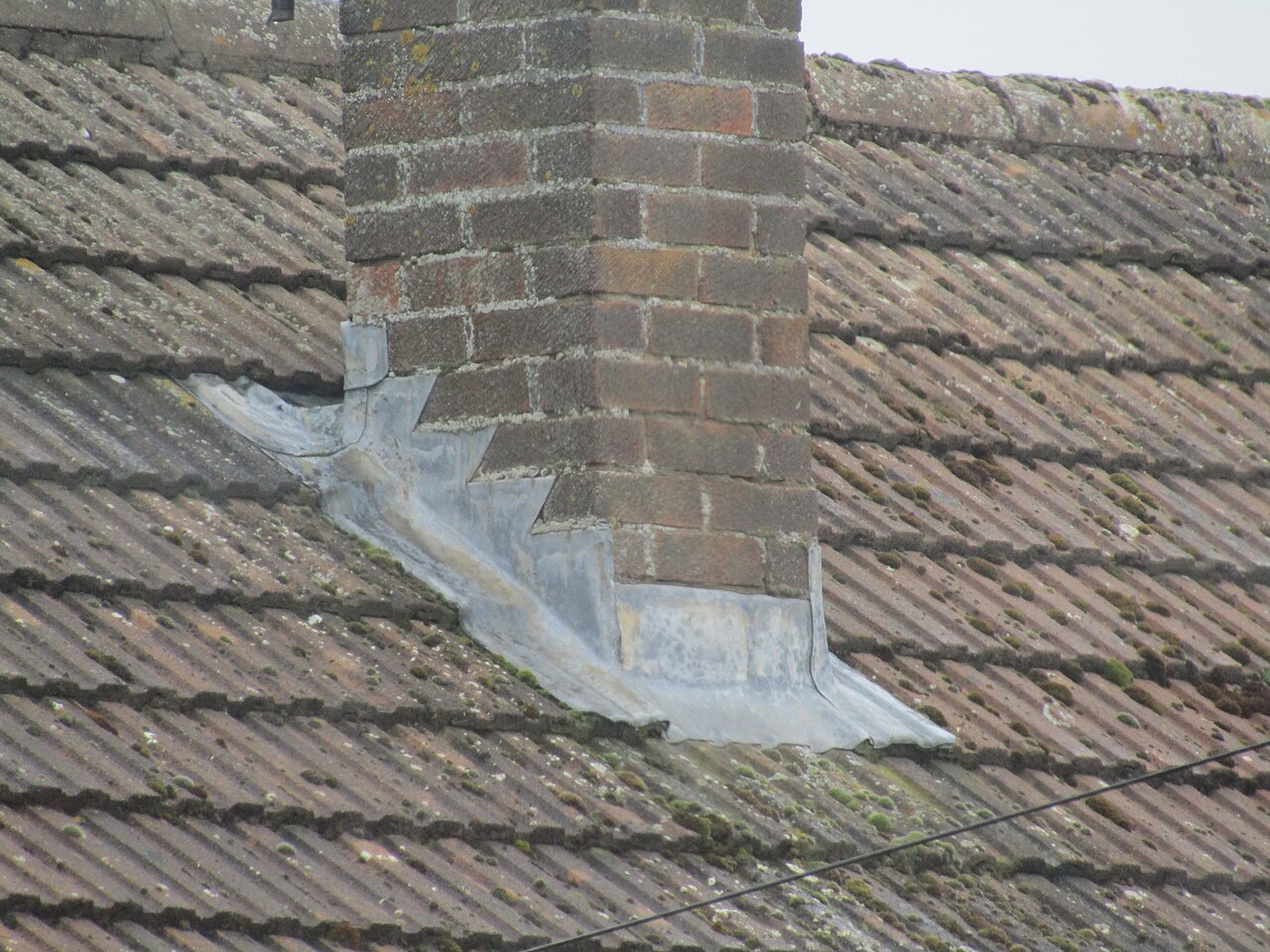
Counterflashing vs. base flashing: two layers, one watertight joint
Flashing a chimney is a two-part system, and the two parts are easy to confuse:
- Base (step) flashing is the lower layer that laps up the chimney and under the roof panels, carrying water back onto the roof surface.
- Counterflashing is the upper layer. It is let into a cut reglet in the masonry (or tucked under the brick course) and folds down over the base flashing, so water can never run behind it.
The reason two layers matter is movement. A metal roof expands and contracts with temperature, and the chimney does not. A rigid, one-piece seal would eventually tear or pull its caulk apart. The overlapping counterflashing lets the two surfaces move independently while still shedding every drop of water. Sealant alone — a bead of caulk smeared where brick meets panel — is the most common failed “repair” we find, and it rarely survives a single Ogden winter.
What a chimney cricket is — and when Ogden roofs need one
A cricket (sometimes called a saddle) is a small peaked structure built on the uphill side of the chimney. Instead of letting snow, ice, and runoff pile against the back of the masonry, the cricket splits the flow and routes it around both sides.
Crickets matter most on our local roofs because of what sits behind a chimney all winter: a shelf of snow that melts by day and refreezes by night. Without a cricket, that meltwater has nowhere to go but into the back joint. Signs a chimney should have had a cricket and did not include:
- Staining or rot on the ceiling directly below and behind the chimney
- A persistent ice buildup on the high side of the chimney after storms
- Rusty streaks or debris trapped against the back of the flashing
As a rule of thumb used across the trade, wider chimneys on sloped roofs are the ones that most need a cricket. Custom sheet-metal crickets can be fabricated to the exact width and pitch of your roof, which is the kind of one-off bend work our shop does every day.
Why Ogden’s freeze-thaw cycle is so hard on chimney flashing
Northern Utah does not just get cold — it swings. Sunny winter afternoons thaw the snowpack, then overnight lows refreeze it, sometimes dozens of times in a single season. Each cycle drives these problems:
- Ice expansion pries at any gap in a reglet or a lifted flashing lip.
- Caulk fatigue — sealant that looked fine in October cracks and separates by February.
- Thermal movement between a sun-baked metal panel and a shaded masonry chimney repeats thousands of times a year.
This is why we favor properly lapped, mechanically secured counterflashing over sealant-dependent details, and why the metal itself matters. The same freeze-thaw forces that attack flashing are what drive gutter, snow-rail, and ice-dam problems elsewhere on the roof — chimney flashing is one piece of a whole winter-water strategy.
How Omega fabricates and installs chimney details
Because every chimney is a slightly different size, pitch, and masonry type, off-the-shelf flashing kits rarely fit well. We fabricate the pieces to the job:
- Counterflashing bent to match the chimney’s dimensions and set into a cut reglet, not just surface-caulked.
- Crickets sized to the chimney width and roof slope, in a finish that matches the panels.
- Materials and gauges chosen to pair with your existing standing-seam or panel system so everything moves together.
That shop capability is the core of our custom metal fabrication work, and it is the same precision we bring to commercial roofing projects across Weber and Davis counties. A chimney detail done once, correctly, costs far less than chasing a recurring leak season after season.
Request an Estimate from Omega Metals
If you have a stubborn chimney leak, a visible gap in old flashing, or a chimney that never had a cricket, let a local crew look at it before winter sets in. Omega Metals fabricates and installs chimney counterflashing and crickets for homes and commercial buildings throughout Ogden and Northern Utah. Call 801-731-5788 for a free, no-pressure estimate and we will tell you honestly what your chimney needs.